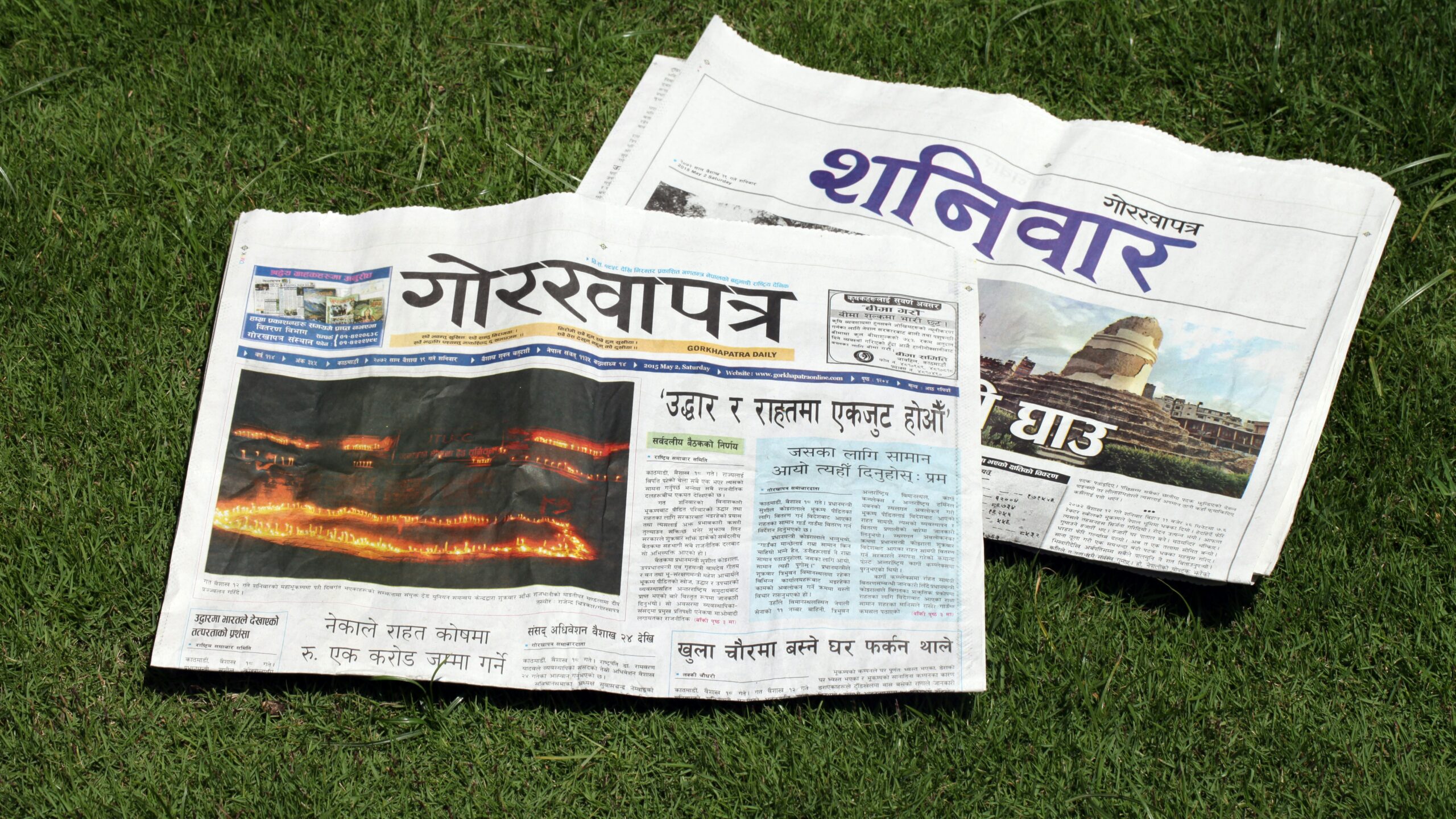


Introduction to the concept of fast news and its impact on society
In today’s fast-paced world, news travels at the speed of light. Gone are the days when we eagerly awaited the evening paper or tuned in for nightly broadcasts. Now, our feeds are flooded with updates, breaking stories, and trending topics—often before they’ve even been fully verified. This phenomenon is known as “fast news,” and it’s reshaping how we consume information.
But what does this mean for us as consumers? As headlines flash across screens within seconds, our ability to discern truth from sensationalism has never been more challenging. The hunger for instant updates can create a rush that prioritizes speed over accuracy. In this new era of journalism, where every second counts and clicks matter most, understanding the implications of fast news is crucial for anyone navigating today’s information landscape. Let’s delve into how we’ve arrived here and what it means for society at large.
The evolution of news delivery methods, from print to digital media
The journey of news delivery has transformed dramatically over the decades. Once, information arrived through printed newspapers and magazines, ink smudging fingers as readers savored each word.
With the dawn of radio and television, immediacy entered the scene. News anchors brought events into living rooms, providing a new level of connection to world affairs.
The internet revolutionized everything. Suddenly, news became available 24/7 at our fingertips. Websites emerged where stories could be updated in real-time.
Mobile devices took it further. Now, alerts buzz on smartphones before coffee brews in the morning. Social media platforms create an even faster flow; headlines flash across feeds within seconds.
This evolution didn’t just change how we consume news; it altered our expectations completely. Speed is now king in this digital age—how quickly can we access what’s happening?
How social media has changed the landscape of fast news
Social media has revolutionized how we consume news. Platforms like Twitter, Facebook, and Instagram enable stories to spread instantaneously. A breaking event can reach millions within minutes.
Gone are the days when traditional media held a monopoly on information. Now, anyone with a smartphone can report live from the scene. This democratization empowers voices that might have been overlooked by mainstream outlets.
However, speed often comes at a cost. News is frequently shared without verification or context. The pressure to be first means accuracy sometimes takes a backseat.
Moreover, algorithms prioritize engagement over credibility. Sensational headlines get clicks but may mislead readers about the content’s substance.
In this fast-paced environment, discernment becomes crucial for consumers sifting through endless streams of updates and opinions.
The benefits and drawbacks of consuming fast news
Fast news delivers information at lightning speed. This immediacy can keep us informed about current events as they unfold. With just a few taps, we’re updated on breaking stories from around the globe.
However, this rapid consumption comes with pitfalls. The pressure to report quickly often leads to superficial coverage and incomplete narratives. Essential context may be sacrificed in favor of urgency.
Moreover, fast news can create an addictive cycle. Scrolling through headlines becomes habitual, pulling attention away from deeper analysis or understanding.
The emotional impact is significant too; sensationalized stories can amplify anxiety and misinformation spreads like wildfire when accuracy takes a backseat.
While fast news keeps us connected, it requires careful navigation to avoid its potential hazards.
The rise of clickbait and its effect on the accuracy and credibility of news
Clickbait has become a hallmark of modern journalism. It thrives on sensational headlines that promise more than they deliver. This approach hooks readers, drawing them into articles with exaggerated claims or misleading images.
As a result, the accuracy of news often takes a backseat. The rush to attract clicks can lead to distorted facts and half-truths. Publishers chase engagement over integrity, prioritizing immediate traffic over long-term trust.
Moreover, this trend undermines credible journalism. Audiences may struggle to differentiate between genuine reporting and mere clickbait designed for virality. Trust erodes as misinformation spreads like wildfire across social platforms.
In an environment where captivating titles reign supreme, quality journalism faces significant challenges. Readers must remain vigilant, questioning sources and seeking out reliable information amid the noise created by sensationalist headlines.
The importance of fact-checking in a world where speed is prioritized over accuracy
In today’s fast-paced information landscape, speed often overshadows accuracy. Headlines are shared in seconds, leaving little room for verification. This rush can lead to the spread of misinformation.
Fact-checking has never been more crucial. It acts as a safeguard against false narratives that proliferate online. When every click matters, taking the time to verify facts is essential for maintaining credibility.
Consumers bear a responsibility too. They must cultivate critical thinking skills and question sources before accepting information as truth.
Tools and websites dedicated to fact-checking have emerged, yet they require user engagement. The onus isn’t solely on journalists; readers play a pivotal role in demanding accurate reporting.
By prioritizing fact-checking over sensational headlines, society can foster informed discussions rather than fueled outrage or confusion caused by inaccuracies lurking behind rapid news cycles.
Strategies for finding reliable sources amid the abundance
Navigating the vast sea of information can feel overwhelming. With the constant influx of news, it’s crucial to have strategies in place for finding reliable sources.
Start by prioritizing established news organizations that adhere to strict journalistic standards. Look for outlets known for their fact-checking and investigative reporting.
Also, diversify your sources. Don’t rely solely on one platform or outlet; instead, seek out a variety of perspectives from different regions and cultures. This broader view can help you spot potential biases and gain a more comprehensive understanding of events.
Check the author’s credentials before diving into an article. A quick search can reveal whether they have expertise in the subject matter or if they are just another voice amplifying noise.
Utilize fact-checking websites like Snopes or FactCheck.org whenever you’re unsure about a headline’s validity. These platforms specialize in debunking misinformation and verifying claims made by various media outlets.
Develop a critical mindset when consuming fast news content. Ask questions: Who benefits from this story? What evidence supports these claims? Is there any additional context that could change my understanding?
By applying these methods, you’ll be better equipped to sift through rapid-fire updates while ensuring that what you absorb is credible and informative amidst today’s relentless pace.